Do I need a road closure for Swakeleys House moves?
If you are planning a move around Swakeleys House, the question is usually less about the furniture and more about the street outside. Do I need a road closure for Swakeleys House moves? In some cases, yes. In many others, probably not. The right answer depends on access, vehicle size, parking pressure, local traffic flow, and whether your move will temporarily block a narrow road or prevent other vehicles from passing safely.
That is the short version. The longer version matters, because getting this wrong can turn a straightforward house move into a messy delay with impatient drivers, awkward loading, and a van parked at an angle while everyone does that awkward British shuffle around it. This guide walks you through when a road closure is likely, what alternatives may work better, and how to plan a smoother move without overcomplicating things.
We will keep it practical, local-minded, and plain English. By the end, you will know how to judge the situation properly, what to ask your mover, and what to do if the street layout near Swakeleys House makes access a bit tight.
Table of Contents
- Why a road closure matters for Swakeleys House moves
- How a road closure works in practice
- Key benefits and practical advantages
- Who this is for and when it makes sense
- Step-by-step guidance
- Expert tips for better results
- Common mistakes to avoid
- Tools, resources and recommendations
- Law, compliance, standards, or best practice
- Options, methods, or comparison table
- Case study or real-world example
- Practical checklist
- Conclusion
- Frequently Asked Questions
Why Do I need a road closure for Swakeleys House moves? Matters
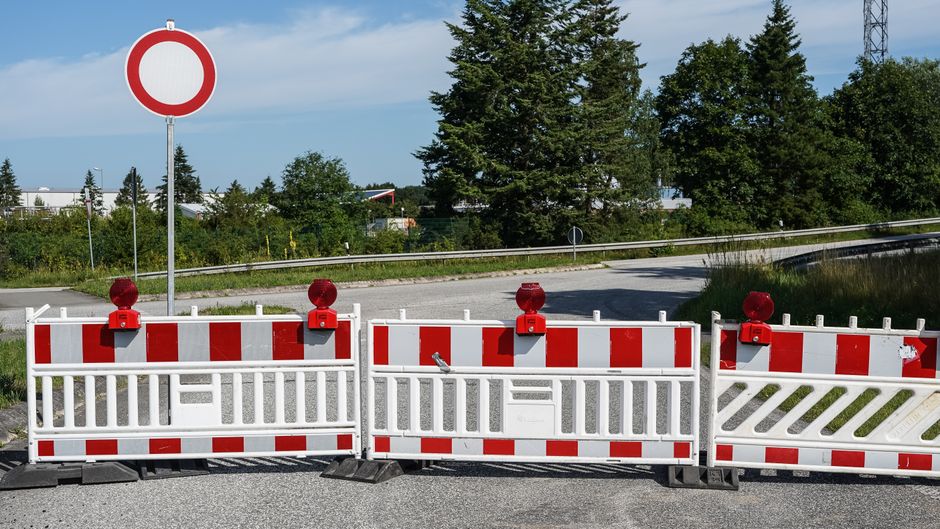
A road closure is not something you ask for lightly. It is a temporary traffic control measure, and it is usually reserved for situations where a moving van, delivery vehicle, or larger removal truck cannot safely load or unload without affecting the street. For a move near Swakeleys House, the real issue is often access. If the road is wide, parking is manageable, and the vehicle can stop without causing a hazard, you may not need a closure at all. If the road is tight, busy, or has limited passing space, the answer starts to lean the other way.
Why does this matter so much? Because a move is already full of moving parts. Boxes. Keys. Last-minute decisions. A missing kettle. The lot. If traffic management is not sorted, one small access problem can ripple into delays, additional labour time, and extra stress on moving day. To be fair, many people do not think about the road until the van arrives and the street suddenly feels half its width.
For properties around landmarks, town-centre streets, or locations with historic or shared access patterns, the street itself can be the main challenge. A road closure may protect pedestrians, reduce conflict with passing traffic, and give removal teams enough space to work safely. But it is only one option. Often, a suspension of parking bays, a temporary loading bay arrangement, or careful scheduling can be enough. That is why a proper site check matters.
If your move is part of a wider home relocation, you may also want to look at home moves and house removals for the broader planning picture. A good move is rarely just about lifting items; it is about making the whole day flow.
How Do I need a road closure for Swakeleys House moves? Works
The practical process usually starts with a simple question: can the vehicle park close enough to the property without obstructing traffic or creating a safety issue? If yes, a closure may be unnecessary. If no, then the move may need some form of traffic management. That could range from a temporary parking suspension to a full road closure, depending on the road layout and the scale of the move.
In real terms, the decision is normally based on a few things:
- Road width and visibility: Can other vehicles pass safely if the van is loading?
- Traffic volume: Is it a quiet residential street or a busy through route?
- Vehicle size: A small van and a large moving truck create very different pressure on the road.
- Loading time: A quick lift is one thing; a multi-hour removal is another.
- Pedestrian safety: Are there schools, shops, or busy walking routes nearby?
- Property access: Are there steps, narrow gates, shared driveways, or limited frontage?
In practice, a road closure is rarely arranged on the morning of the move. It usually takes advance planning, and someone has to assess whether the request is proportionate. That is one reason experienced movers ask about access early rather than waiting for the day itself. It sounds simple, but it saves a lot of trouble.
If you are hiring a team for a more demanding move, a dedicated moving van or even a larger moving truck may change the traffic plan entirely. Bigger vehicle, bigger footprint. Obvious, yes, but easy to overlook when you are focused on the packing tape and the sofa that will not fit through the door unless it is angled just so.
Some moves only need good positioning and a clear loading plan. Others need formal permission to temporarily restrict the street. The key is matching the solution to the reality on the ground, not the other way around.
Key Benefits and Practical Advantages
If a road closure is genuinely needed, it can make the move safer and calmer. That is the main point. Everything else follows from that.
- Safer loading and unloading: Fewer vehicles passing close to the team reduces the chance of mistakes or collisions.
- Less delay: The vehicle can be placed exactly where it needs to be, rather than circling for a legal space.
- Better access for large items: Heavy furniture, wardrobes, appliances, and crates are easier to move when the route is clear.
- Less pressure on neighbours and traffic: A managed setup is usually less disruptive than improvising on the day.
- More predictable timings: If the loading zone is secured, the crew can work at a steady pace.
There is also a mental benefit that is easy to underestimate. When the access side is sorted, your head is clearer. You can focus on the move itself rather than worrying that the van is blocking someone's driveway or that a passing car is going to force everyone to stop mid-lift. Anyone who has tried to carry a mattress while a hatchback is edging by will know the feeling.
For some households, this can be the difference between a smooth handover and a tense afternoon. If you want a more supported move, services such as house movers or the broader removal services route may be worth considering because they typically include better planning around access, timing, and vehicle choice.
Who This Is For and When It Makes Sense
Not every move near Swakeleys House needs traffic restrictions. In fact, many do not. But a road closure becomes more relevant in a few common situations.
It makes sense if you are:
- moving from a narrow street with limited passing space
- using a larger van or removal truck
- moving bulky furniture or lots of heavy items
- dealing with restricted parking or double yellow lines nearby
- relocating from a property with poor frontage or awkward access
- moving at a busy time of day when traffic is already tight
- working to a same-day handover with no margin for delays
It is also worth thinking about whether you are arranging a domestic move or something more commercial. A business relocation often has different access pressure, more items, and tighter timing. In those cases, office removals or commercial moves may involve formal traffic planning more often than a standard home move.
There is a softer category too: the "probably not, but check anyway" move. That is when the street is manageable, but only if the van parks carefully and the loading is efficient. It may only take one neighbour's car, one awkward corner, or one low-hanging tree to make access harder than expected. Truth be told, those are the moves that catch people out because they look easy at first glance.
Step-by-Step Guidance
If you are trying to work out whether you need a road closure for a Swakeleys House move, use this sequence. It keeps things grounded.
- Assess the street
Look at the road width, turning room, and available parking. If possible, visit at the same time of day you expect the move to happen. Morning light and school-run traffic can tell you very different stories. - Check the size of the vehicle
A compact man with van setup is very different from a large removal vehicle. The larger the vehicle, the more likely access and traffic control become important. - Estimate loading time
A few bags and boxes may not justify anything formal. A whole-house move, with furniture dismantling and careful wrapping, might. - Consider alternative parking solutions
Sometimes a parking suspension or a clear loading bay is enough. That is often simpler than a full closure. - Speak to the mover early
Experienced teams will often spot access problems faster than the homeowner does. That is not a criticism; it is just what they do all day. - Build in a backup plan
If the street is busier than expected, decide in advance where the vehicle can wait or load from instead. - Confirm any permissions in advance
If you need formal traffic control, do not leave it until the week of the move. That is where little plans go to die, usually in a pile of emails.
If you are at the planning stage, it can also help to compare man and van style support with a fuller house removalists service. The first may suit lighter moves. The second is often better when access is awkward or the job is more complex.
Expert Tips for Better Results
After enough moving days, a few patterns become obvious. The jobs that go well usually share the same habits.
- Do a street-level recce. Stand outside the property and look at it like a vehicle driver would. Where would the van stop? Where would pedestrians pass?
- Plan around school and commuter peaks. A quiet lane at 10:30 am can feel very different at 8:15 am.
- Protect the walking route. Keep entrances clear and make sure everyone knows where boxes should go, especially if the pavement is narrow.
- Break down bulky furniture early. The less time the van spends idling in a tricky position, the better.
- Label priority items. This sounds obvious, but it saves time when loading space is tight.
- Use the right support level. If you are moving a full property, a dedicated removals service may be far easier than trying to improvise with a small vehicle and two very tired friends.
One small but useful tip: if the road is likely to be busy, start with the heaviest items first. That way, if access gets temporarily blocked by traffic or a neighbour's manoeuvre, the critical items are already on the van. Simple. Not glamorous. But it works.
And do ask your mover what they do if the street becomes unavailable for a few minutes. Good crews tend to have a plan. Less experienced ones... well, let's just say they learn a lot on the day.
Common Mistakes to Avoid
Most access problems are not dramatic. They are small assumptions that stack up.
- Assuming the street is fine because it looked quiet yesterday. Parking and traffic change hour by hour.
- Booking a van before checking vehicle access. A larger vehicle is not always better if it cannot stop safely.
- Forgetting about neighbours and shared access. A driveway, junction, or turning circle can affect everyone.
- Leaving permission requests too late. If formal traffic management is needed, late planning creates avoidable stress.
- Not checking for overhead or road-side hazards. Low branches, bins, signage, and parked cars can all matter.
- Trying to "just make it work" on the day. That approach often costs more time than proper planning would have done.
Another common one is underestimating the amount of packing support needed. If you are still boxing everything on the morning of the move, a road closure will not fix the real problem. That is where a service like packing and unpacking services can quietly save the day.
Tools, Resources and Recommendations
You do not need specialist software to make a sensible access decision. A few practical tools are enough.
- Street photos: Take clear photos of the property frontage, nearby junctions, and the nearest place a van could stop.
- Measurements: Note road width, driveway width, and the height/length of any vehicle you expect.
- Move-day timeline: Write down when you expect furniture to come out, when the van arrives, and when you need keys.
- Parking notes: Record any restrictions, permit requirements, or local no-stopping areas.
- Vehicle plan: Decide whether a man with a van, a larger van, or a more substantial removal vehicle fits the street best.
If you want support with vehicle choice, it can help to compare removal van options with removal truck hire. Bigger is not always better, but the wrong size is almost always a headache.
Also, do not overlook the value of a straightforward quote conversation. A clear discussion about access, loading distance, and timing often reveals whether a full road closure is sensible or unnecessary. You can start with pricing and quotes if you want a structured place to begin planning.
Expert summary: For most Swakeleys House moves, the real question is not "road closure or no road closure?" but "what level of access control keeps the move safe, legal, and efficient?" A full closure is only one answer. Often, a well-timed van, sensible parking arrangement, and careful loading plan are enough.
Law, Compliance, Standards, or Best Practice
Any road closure or parking restriction should be approached carefully. In the UK, temporary traffic control, parking suspensions, and road management are usually tied to local authority processes and street safety expectations. The exact requirements depend on the road, the council area, the nature of the restriction, and the scale of the move. It is not something to guess at.
From a practical standpoint, the key principles are simple:
- Do not obstruct traffic unsafely.
- Keep pedestrians protected and routes clear.
- Use the smallest restriction that works.
- Plan ahead so permissions are not rushed.
- Follow any local instructions exactly.
Best practice in removals is to assess access early, document any constraints, and choose a vehicle and loading plan that suit the street. A reputable removal company will usually treat this as part of the job, not an afterthought. That matters because if the road is awkward, the move is no longer just a transport task. It becomes a safety and logistics task too.
Insurance and safe handling also matter. If the road is tight and the vehicle is operating in a constrained space, you want everyone clear on responsibilities. It is worth reviewing the practical approach described in insurance and safety and, for operational standards, the company's health and safety policy. Those pages help set expectations about careful handling, safe loading, and sensible risk control.
Options, Methods, or Comparison Table
If you are still deciding whether a road closure is needed, compare the main options side by side. The answer is often clearer once you see the trade-offs.
| Option | Best for | Pros | Limitations |
|---|---|---|---|
| No traffic restriction | Quiet streets with easy parking | Simple, fast, no extra permissions | Risky if traffic is heavier than expected |
| Temporary parking suspension | Residential streets with limited stopping space | Usually enough for loading access | May still require advance arrangement |
| Full road closure | Narrow roads, busy routes, difficult frontage | Maximum space and safety | More planning and potential cost |
| Smaller vehicle and shorter loading window | Lighter moves with limited access | Less disruption, easier to position | Not ideal for bulky or high-volume moves |
In many cases, the smartest option is the one that creates enough room without going overboard. A closure sounds decisive, but a lighter-touch access plan can be more efficient. That is why an honest access assessment is so useful.
Case Study or Real-World Example
Picture a small household move near Swakeleys House on a weekday morning. The property sits on a road with regular traffic, limited on-street parking, and not much space for vehicles to pass if a van is parked by the kerb. The household has a sofa, several wardrobes, boxes, and a few fragile items that need a careful carry. Not a huge move, but not a quick lift either.
At first, the owners assume they need a full road closure. After checking the access more closely, though, the mover notices that a temporary parking suspension plus an early start would probably do the job. A smaller man with van removal setup is chosen instead of a larger truck, and the loading plan is shortened by pre-labelling items and dismantling furniture the day before.
The result? No drama, no full closure, and very little waiting around. There was still a bit of street noise, a passing cyclist, and one neighbour asking where the kettle had gone, but the move stayed controlled. That is the real win.
On the other hand, if that same road had been narrower, busier, or on a main access route, the answer might have changed. The point is not to force one solution every time. The point is to choose the least disruptive option that keeps the job safe.
Practical Checklist
Use this checklist before move day. It will save you time, and probably a small amount of stress too.
- Check the width of the road and available kerb space.
- Confirm whether the van can park safely without blocking traffic.
- Estimate how long loading and unloading will take.
- Decide whether a smaller van or a larger removal vehicle is more appropriate.
- Ask whether parking suspension, loading bay use, or a full road closure is needed.
- Take photos of access points, junctions, and any tight turns.
- Make sure everyone knows the move-day arrival time.
- Pack fragile and priority items separately.
- Confirm the plan for wet weather, delays, or blocked access.
- Keep a simple contact plan for the driver and the main point of contact at the property.
If you have not already arranged your move, it may also help to explore removals near me if you want local support that understands access issues and can advise on the right setup for the street.
Conclusion
So, do you need a road closure for Swakeleys House moves? Sometimes. But not always. In many cases, a smarter combination of vehicle choice, loading timing, and parking control will be enough. The real job is to match the access plan to the street, not to assume the biggest restriction is automatically the best one.
If the road is narrow, busy, or difficult to stop in safely, plan early and treat traffic control as part of the move. If the access looks manageable, keep the plan lean and practical. Either way, the best moves are the ones where nobody is improvising beside the van while the clock is ticking and the street is getting noisier by the minute.
Get a free quote today and see how much you can save.
And if you are still weighing things up, a quick conversation with a knowledgeable local mover can make the whole picture a lot clearer. Sometimes that is all it takes to turn a worrying street into a perfectly manageable move. Small relief, big difference.
Frequently Asked Questions
Do I need a road closure for every Swakeleys House move?
No. Many moves can be completed with careful parking, a short loading window, or a temporary suspension arrangement. A full road closure is usually only needed when the road is too narrow, too busy, or too unsafe for normal loading.
How do I know if the road is too narrow for a removal van?
If a vehicle cannot stop without blocking traffic or creating a hazard, the road may be too narrow for normal loading. The best check is to look at the road in person, measure the usable space, and compare it with the size of the vehicle you plan to use.
Can a man and van service avoid the need for a road closure?
Often, yes. A smaller vehicle can sometimes fit into tighter spaces more easily and reduce the chance that a closure is needed. That said, access still depends on the road, the load size, and how long the vehicle needs to stay in position.
Is a parking suspension the same as a road closure?
No. A parking suspension usually restricts parking in a specific area, while a road closure stops through traffic from using the road. A suspension is often enough for loading, whereas a closure is a more serious measure.
How far in advance should I plan traffic arrangements for a move?
As early as possible. If traffic control might be needed, do not leave it until the last minute. Early planning gives you more flexibility on vehicle choice, timing, and permissions.
What if my moving truck cannot park near the property?
If the vehicle cannot get close enough, you may need a different setup, such as a smaller van, a more suitable loading point, or formal traffic management. In some cases, the move can still be done safely, but it needs a revised plan.
Does a larger moving truck always make the move easier?
Not necessarily. A bigger vehicle can carry more, but it also needs more space and can create more access problems in a tight street. Sometimes a smaller vehicle is the smarter choice.
Will my removal company help decide if a road closure is needed?
A good removal company should be able to assess access and advise whether a closure, parking suspension, or no restriction at all is the better option. It is one of the most useful things to ask about before moving day.
What should I tell the movers before the move?
Tell them about road width, parking restrictions, driveway access, shared entrances, nearby traffic, and anything unusual about the property. Photos help. So do measurements. The more accurate the information, the better the plan.
Can I handle a complex move without professional help?
You can, but it becomes much harder if the street is awkward or the items are heavy. If access is tight, professional support is usually worth it because it reduces the chance of delays and mistakes.
Are office moves more likely to need traffic control?
Sometimes. Office relocations can involve more equipment, tighter scheduling, and more foot traffic, so access planning is often more important. If the site is in a busy or restricted road, the likelihood of needing some kind of traffic arrangement goes up.
What is the safest next step if I am unsure?
Start with a proper access check and ask for a quote based on the real street conditions. That will usually tell you whether you need a road closure, a lighter restriction, or no formal traffic measure at all. A bit of upfront clarity saves a lot of hassle later.