Man with van in Ickenham

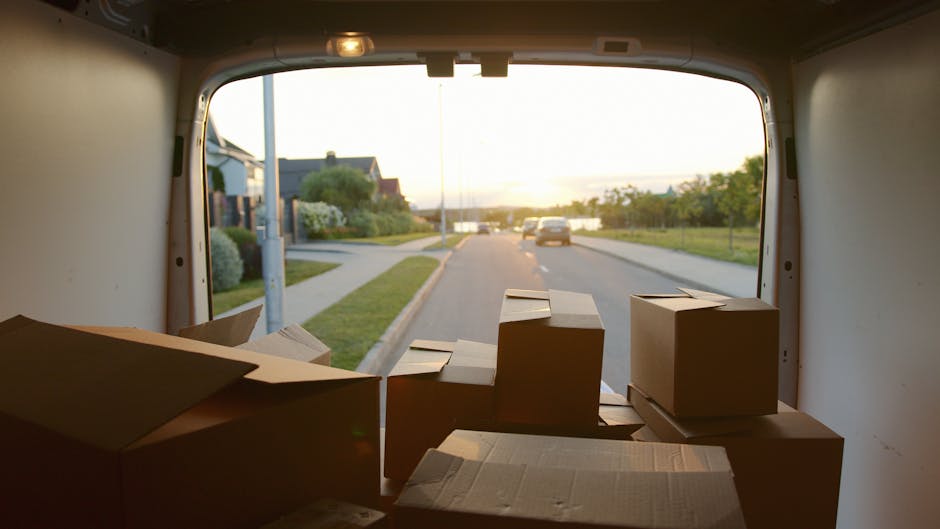
Our man with van service in Ickenham is set up for practical moves, single-item transport and small removals that need careful handling rather than a full-scale lorry. We help customers move furniture, boxes, household items and office contents with a straightforward approach that keeps the process organised from start to finish. If you need a dependable way to shift possessions across town, between properties or to storage, our service is designed around that kind of work.
The best results usually come from matching the vehicle and loading plan to the job. That might mean a compact collection, a room-by-room move, or a larger load arranged with more than one trip. For broader information about the service format, you can view our man with van service, which explains the kind of jobs it is suited to and how the work is typically carried out. We focus on careful loading, sensible scheduling and clear communication.
Because every move is different, the service can be adapted to suit furniture, packaged stock, archive boxes or mixed household items. A van-based removal is often chosen when access, timing or item count makes a larger removal vehicle unnecessary. When you are ready to compare options, please ask for a quotation and share the basic details of the move so we can assess the work accurately.
Household moves and practical transport
Household transport is one of the main reasons people look for a man and van in Ickenham. A typical job might involve moving a few key items after a purchase, transporting belongings from one home to another, or helping with a part-load move where everything does not need to travel at once. We can also assist when a customer wants a simple, organised way to relocate items into storage without the complexity of booking a larger removals operation.
For more detail on domestic work, our home moves page is useful if you are planning a relocation that still benefits from a more flexible, smaller-scale service. Where the job is mainly about moving furniture and fittings from one property to another, the house removals page explains that type of work in clearer terms. These pages help customers decide whether their move is best handled as a light household transfer or a fuller domestic removal.
In practice, domestic jobs often need a measured approach to access and handling. Stairs, narrow hallways, parking arrangements and fragile items can all affect how the move is organised. We aim to make the process simple by planning the load sensibly, protecting items during transit and keeping the work focused on what actually needs to be moved rather than on unnecessary extras. Useful preparation can save time on the day, but the service should still remain manageable even when the job is fairly straightforward.
Furniture, single items and smaller loads

Not every move is a full house relocation. Many customers only need help with one item, a few large pieces of furniture or a small collection of belongings that are awkward to move in a normal car. Our furniture pick-up page covers the kind of collection work that suits this service well, especially when items need to be moved safely and without delay. It is often a sensible choice for beds, wardrobes, tables, desks and similar pieces.
Smaller loads also work well when a customer wants items taken to another address, a storage unit or a place of business. In those cases, the work is less about volume and more about handling, access and efficient loading. A man with van approach is often more cost-effective and easier to coordinate than booking a larger vehicle for a load that does not need one. If you have a mixed job with a few bulky items and several boxes, that can usually be assessed as part of the same move.
If you are unsure whether the collection, delivery or relocation fits a van-based service, it helps to think about the size of the largest item, the number of pieces and how easy the property is to access. One careful load plan is often better than trying to treat a small move like a full-scale removal. That keeps the work focused, manageable and suitable for the items involved.
Commercial, office and business transport
Small business customers often need a simple way to move equipment, files, retail stock or office furniture without arranging a major relocation. Our commercial moves service is relevant where the load supports trading activity, whether that means shifting workstations, boxed inventory or display items between premises. A van-based service can be a good fit when speed of coordination matters but the volume remains modest.
Office jobs can range from a few desks and chairs to a partial relocation of a team, store room or back-office function. If you need a service dedicated to that kind of work, our office removals page gives a clearer picture of business premises moves and what they usually involve. For some customers, the aim is to move only the essential items first and handle the rest later, which is often easier to manage than trying to clear an entire office in one go.
Business moves benefit from clarity. Knowing what must move, what can stay, and what needs special handling helps keep disruption down. If items need to be loaded in a particular order, stacked with care or delivered to more than one stop, those details can be built into the arrangement. A concise written list of items is often enough to start the quotation process, followed by any access information that affects the move itself.
Packing support, loading and careful handling

Some customers want transport only, while others need help getting items ready first. Our packing and unpacking services page is relevant where you would like support with organising belongings into boxes before they travel, or with settling items afterwards. Packing can make a van move much easier to manage, particularly when fragile pieces, mixed rooms or time-sensitive collections are involved.
The loading stage matters just as much as the journey. Boxes should be stacked with weight in mind, fragile items should be separated where needed, and loose fittings or detachable parts should be kept together. Not every job requires specialist packing materials, but good preparation helps protect the load and makes unloading cleaner and faster. This is especially useful for furniture with removable shelves, flat-pack parts or accessories that should travel alongside the main item.
Where the contents include sensitive or breakable items, it is sensible to identify them in advance so they can be handled appropriately. A move may also involve wrapping, spacing or gentle placement rather than simply filling the vehicle as tightly as possible. If you are gathering details for a quote, it is helpful to mention anything that needs extra attention, but there is no need to overcomplicate the enquiry. A few clear notes about the items, access and destination are usually enough.
Vehicle choice, access and route planning
The right van-based move depends not only on the items themselves but also on how they will be collected and delivered. Some jobs are easy because the loading point is close to the vehicle, while others involve tight parking, upper floors or more awkward access. Our moving van page is useful if you want to think about the transport side of the job in more detail, while the moving truck page may help if you are comparing vehicle sizes for a larger load.
Choosing the correct transport is less about offering the biggest vehicle and more about matching space to the job. A sensible arrangement avoids wasted room, repeated loading and unnecessary disruption. For some customers, a single journey is enough; for others, a split move or an additional stop may make the day easier to manage. If there are collection and delivery points with different access conditions, those can be factored into the plan from the outset.
When you prepare for a move, it is useful to think through the route between the property and the vehicle, especially if there are stairs, communal entrances or restricted parking. That kind of practical detail can influence how long loading takes and how the items should be organised. Good transport planning is often what turns a difficult job into a straightforward one. Keep the arrangement focused on the work that needs doing and the path the items will take.
About Ickenham
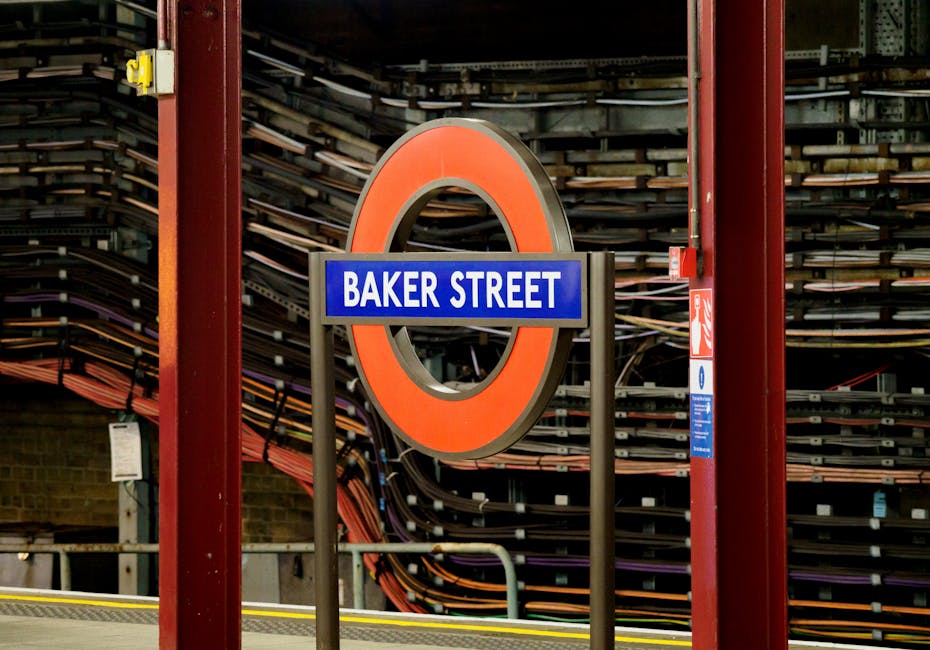
Ickenham is a suburban area in the London Borough of Hillingdon, in west London, with a long history that predates the modern capital’s outward spread. The village character is still visible in parts of the area, despite the growth of housing and transport links over the twentieth century. Its historic core includes older streets, parish landmarks and pockets of traditional development that contrast with later residential estates and infill building. The area sits close to open countryside and green space, which gives it a noticeably quieter feel than many nearby inner suburbs. Ickenham’s railway connections helped shape its development, especially after the arrival of the Metropolitan line, which encouraged commuting and suburban growth. The area also has notable church architecture, including the parish church of St Giles, which stands as one of its best-known historic buildings. Nearby wooded and landscaped spaces contribute to the local setting, while the wider borough adds parks, civic buildings and established residential streets. Like many west London neighbourhoods, Ickenham combines older village origins with later twentieth-century housing, and that layered character is part of what defines its appearance today. The result is a place with a distinct identity: part historic village, part commuter suburb, and part residential district tied into the broader London transport network.
What affects the quotation

Quotations for a man with van service are usually shaped by the details of the job rather than by a fixed menu of charges. Item size, load volume, access conditions, distance travelled and any extra stops can all influence the arrangement. If the work involves awkward furniture, delicate pieces or waiting time at either end, that can also be relevant. The best way to keep the estimate practical is to describe the move plainly and include only the information that changes the work.
You do not need a long explanation, but a clear list is helpful. The following points are often enough to start a useful quotation:
- the main items or number of boxes
- collection and delivery addresses
- floor level and parking access
- any items requiring special care
- whether loading help is needed
Once those basics are known, it becomes easier to judge the right vehicle, the likely amount of handling and the most sensible way to organise the move. That is especially useful for mixed loads where furniture, household goods and smaller items need to travel together. If you are comparing options, ask for a quotation and use the details of the actual job, not a general estimate, so the response reflects the work more accurately.
Where this service is useful
A man with van arrangement can suit a wide range of everyday moves. It is useful when a load is too much for a car but does not justify a full removals team, or when the items need to be moved with care at a time that works around other commitments. That makes it suitable for flats, houses, storage moves, small business collections and furniture deliveries. It can also be a practical choice when a customer has built up a load gradually and wants to move it in one organised trip.
For customers comparing removal options, our man and van removals page may help if you are looking at a service that combines transport and removal support in a simple format. If your move is more about general removal work than the vehicle itself, the removal services page offers a broader view of the kind of assistance that can be arranged. These pages are useful when you want to decide between a small-scale move and a more structured removal plan.
Every move has its own balance of load size, handling needs and access issues, so the most suitable service is the one that fits the actual job. That is why clear information at the start matters more than guesswork later. If the move involves only a few pieces, the plan can stay simple. If it is a larger part-load, the same service can still be organised in a sensible way without making the job more complicated than it needs to be.
Insurance, safety and practical preparation

Transport work should always be approached with safety in mind. Items need to be lifted properly, secured during travel and unloaded with attention to the surrounding space. Our insurance and safety page explains the general approach to safe working, while the health and safety policy sets out the wider standards that support responsible handling. These pages are helpful if you want to understand the framework behind the service.
For customers, practical preparation is usually straightforward. Make sure the items to be moved are ready, disconnected if needed and clearly identified where possible. Keep corridors and access routes as open as you reasonably can, and separate anything that should not travel with the main load. If you are moving from a shared building or a property with limited parking, it helps to note that early so the job can be handled in an orderly way.
We aim to keep the service clear and workable for a range of moving needs, from a single item through to a more involved small removal. The main aim is to provide a sensible transport solution that fits the items, the location and the timing of the move. If you are ready to take the next step, ask for a quotation and outline the job in plain terms so the response can match the work you need.