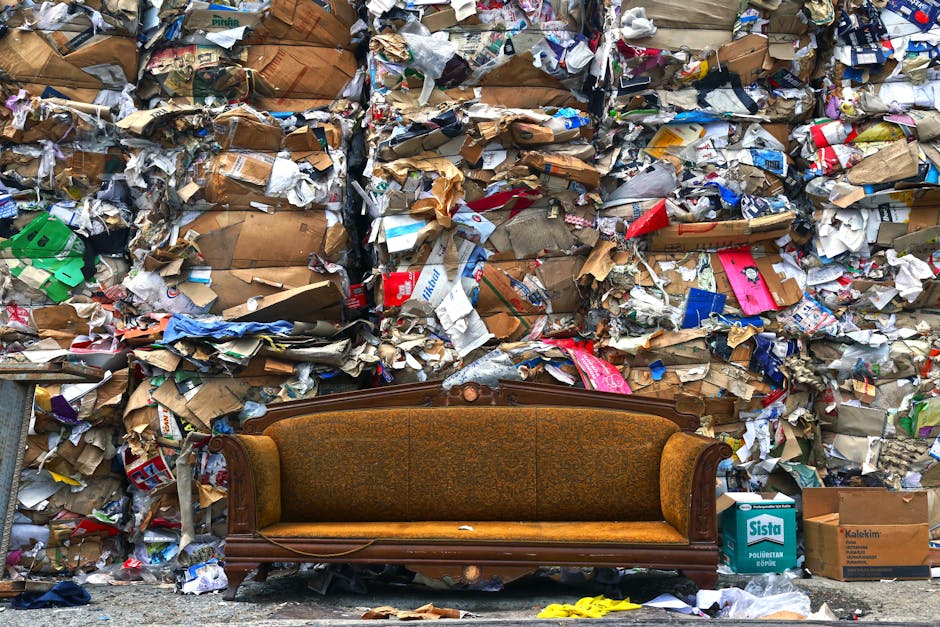
Bulky item disposal in Ickenham: sofas and wardrobes
Posted on 22/05/2026
If you've got an old sofa wedged in a hallway, a wardrobe that looks harmless until you try to move it, or both, you already know this isn't a normal rubbish run. Bulky item disposal in Ickenham: sofas and wardrobes needs a bit more thought than lifting, dragging, and hoping for the best. There's the weight, the awkward shape, the tight turns in houses and flats, and the question of what happens next: reuse, recycling, dismantling, or safe disposal?
In our experience, most people don't wait because they love clutter. They wait because bulky furniture is simply awkward. Fair enough. This guide walks you through how bulky furniture removal works in practice, what to watch out for, and how to make the process safer, quicker, and less stressful whether you're clearing a single item or sorting a full room.
It also covers the details people often miss: access issues, handling upholstered items, protecting walls and floors, and choosing the right removal option for your timing and budget. Let's make it straightforward.
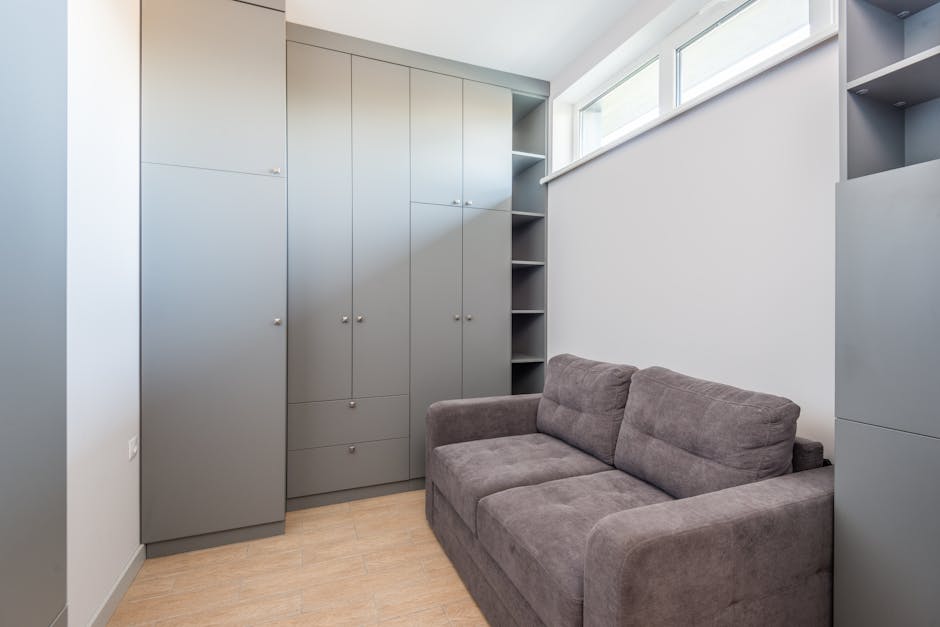
Why Bulky item disposal in Ickenham: sofas and wardrobes Matters
Sofas and wardrobes are two of the most common items people need to move on, and also two of the most awkward. A sofa might be bulky but soft-edged, while a wardrobe can be tall, rigid, and prone to damage if you twist it the wrong way. Put simply, they take up a lot of space, they can be difficult to get through standard doorways, and they are rarely forgiving if handled badly.
For households in Ickenham, this matters for a few practical reasons. Many homes have narrow staircases, shared entrances, or parking that isn't exactly generous. If you're in a flat, a terraced house, or somewhere with limited access, bulky furniture can become a genuine project rather than a quick job. And once a sofa or wardrobe is out of use, it tends to sit there. Then it becomes a storage problem, a safety issue, and sometimes just a visual annoyance that keeps hanging around in the corner.
There's also the environmental side. Furniture disposal isn't just about getting rid of something. It's about deciding whether it can be reused, repaired, dismantled, or recycled in parts. A well-handled disposal process can reduce waste and avoid sending perfectly salvageable materials straight to landfill. That's a small thing, maybe, but it adds up.
If you are in the middle of a move, a declutter, or a landlord/end-of-tenancy clear-out, this becomes even more relevant. Old furniture can delay cleaning, block access for new items, and make a property feel unfinished. For a calmer move, many people combine disposal with effective decluttering and, where useful, efficient packing so the whole process feels more controlled.
How Bulky item disposal in Ickenham: sofas and wardrobes Works
At a practical level, bulky item disposal usually follows a simple sequence: assess, prepare, remove, load, and route the item to its next destination. That destination could be reuse, a recycling stream, or a disposal facility depending on condition and local arrangements.
The first step is assessment. A sofa with broken frames, damp, or severe wear may be destined for disposal. A wardrobe with solid panels and reusable hardware might be better dismantled and moved as furniture rather than treated as mixed waste. This judgement matters because different items need different handling. A two-seat sofa is not the same beast as a large mirrored wardrobe with sliding doors and a fragile back panel. Obvious, yes, but people still underestimate it.
Preparation comes next. Cushions, loose shelves, drawers, handles, and glass panels should be removed where possible. Sofas often need checking for detachable feet, arms, or sectional parts. Wardrobes frequently need dismantling to make them safer to carry and easier to fit through tight spaces. In many homes, taking the item apart is what turns a stressful lift into a manageable one.
Then comes movement and loading. This is where technique matters. Good lifting posture, controlled footwork, and clear communication make a real difference. If a sofa needs turning in a narrow hallway or a wardrobe has to be angled over a stair rail, you do not want to be improvising on the spot. If you want a deeper look at movement technique, the guide on kinetic lifting basics is a useful companion read.
Finally, the item is taken to the chosen endpoint. Some furniture is suitable for onward use, some for parts recovery, and some only for responsible disposal. A professional approach will normally aim to keep reusable items out of the waste stream where possible. That's just the sensible route, truth be told.
Key Benefits and Practical Advantages
There are a few clear reasons people choose organised bulky furniture disposal instead of leaving the problem to chance.
- Less risk of injury: Heavy furniture can strain backs, shoulders, and hands. Sofas are deceptive; wardrobes are worse. They look like a two-person job because they usually are.
- Reduced damage to the property: Corners, walls, banisters, and door frames suffer fast when an item is dragged instead of carried properly.
- Cleaner, quicker room clearance: Once the bulky item is gone, cleaning and redecorating become much easier.
- Better use of space: Removing one unwanted sofa can completely change a room's layout. A wardrobe can do the same, especially in a bedroom that feels tight already.
- More responsible disposal: Reuse and recycling options are easier to consider when the item is handled in an organised way.
- Less stress during a move: Furniture removal feels much calmer when it is planned rather than left to the last day.
One overlooked benefit is timing. If you need a room cleared for a delivery, an estate agent visit, or a tenancy handover, a structured removal avoids that last-minute scramble where the sofa is still there and the cleaner is already on the way. Not ideal. Not even close.
It can also help you decide whether to replace or retain items. Sometimes, once a bulky sofa is out, the room suddenly breathes again and you realise it was doing more harm than good. Same with an oversized wardrobe that has been eating half the bedroom for years.
Who This Is For and When It Makes Sense
This kind of service or planning is useful for a wide range of people. If you live in a house, flat, maisonette, or student property in Ickenham and need large furniture removed, you're in the right territory.
It makes particular sense if you are:
- moving home and don't want to take old furniture with you
- replacing a sofa, wardrobe, or bedroom set
- clearing a rental property between tenancies
- dealing with inherited furniture after a house clearance
- downsizing and need to reduce room-by-room clutter
- working around difficult access, stairs, or parking limitations
- looking for a same-day or short-notice solution
Students in particular often need fast, simple furniture clearance when changing accommodation. A small flat can fill up quickly, and bulky items create headaches during a move. For a wider overview of household logistics, the page on flat removals in Ickenham can help if your bulky item disposal is part of a larger move.
It also makes sense if you simply do not want to take a risk with lifting. That is not weakness. It is common sense. A wardrobe with a mirrored door can go from "fine" to "painful" in seconds if it slips on the stairs. To be fair, no one wants that sort of Tuesday.
Step-by-Step Guidance
If you want the process to go smoothly, it helps to break it down into a few clear stages. Small preparation now saves a lot of irritation later.
- Identify exactly what needs removing. List each sofa, wardrobe, or related item. Include size, condition, and whether it comes apart.
- Measure access points. Check doorways, hallway bends, stairs, lifts, and parking access. A tape measure is boring but brilliant.
- Clear the route. Move lamps, rugs, low tables, and fragile items out of the way. You want a clean line from room to exit.
- Remove detachable parts. Take off cushions, shelves, drawers, and legs. Keep screws and fittings in a labelled bag if reassembly is possible.
- Decide on the disposal route. Reuse, donation, recycling, or disposal. The item's condition should guide the choice.
- Protect the property. Use blankets, covers, or floor protection if there's any risk of scuffing.
- Lift and move safely. Keep the load close, bend the knees, and don't rush corners. Short pauses are better than a wobble.
- Confirm the end point. Make sure the sofa or wardrobe is headed where you expect, not just "away from the house." That distinction matters.
If you are dismantling furniture, keep an eye on fixings and fragile panel edges. Wardrobes in particular can surprise you; they often seem solid until the back panel shifts or a mirrored section needs extra care. For lifting help and technique, the article on lifting heavy items safely offers practical context, even if you're not doing the job alone.
For someone moving furniture as part of a larger house move, it can also help to look at man and van services in Ickenham or the broader removal services page so the disposal fits neatly into the rest of the day. One trip, fewer headaches. That's the aim.
Expert Tips for Better Results
There are a few small habits that make bulky furniture disposal noticeably easier. Nothing fancy. Just the kind of practical detail that prevents a lot of groaning later.
- Book early if access is tricky. Narrow stairs, top-floor flats, or busy roads in Ickenham can change the timing and vehicle choice.
- Photograph the furniture first. Pictures help identify whether the item can be dismantled, carried in one piece, or needs special handling.
- Think about sofa fabric and wardrobe material. Upholstered items and chipboard wardrobes often need different wrapping or movement methods.
- Use a two-person lift whenever possible. Solo lifting is where things go sideways. Fast.
- Keep packaging and fixings together. Even if the item is being disposed of, neat dismantling keeps the job orderly and safer.
- Plan around the room's function. If the furniture is blocking a bed, wardrobe, or walkway, remove it before the rest of the move becomes awkward.
A small but useful tip: if a sofa has been stored for a while, check for dust, odour, moisture marks, or pest damage before moving it. The same applies to wardrobes kept in spare rooms or garages. If you've ever opened a storage room and been greeted by that slightly stale, cardboard-and-fabric smell, you'll know what I mean.
If storage is the reason the item has stayed put for too long, the guide on storing sofas properly can be useful before you decide whether to keep, move, or let the piece go. And if you do need temporary holding space, storage in Ickenham may be worth considering for items you are not ready to dispose of yet.

Common Mistakes to Avoid
Most problems with bulky item disposal come from rushing. The item is big, the job looks simple, and suddenly everyone is dragging from the wrong end of the room. Usually not the best plan.
- Not measuring first. A wardrobe that fits the room may still refuse to fit the staircase or front door.
- Forgetting to empty drawers and compartments. Sounds obvious. Still happens.
- Trying to carry too much at once. One awkward sofa cushion is manageable. A sofa plus side table plus a loose shelf is not.
- Dragging furniture across floors. This scratches surfaces and makes items harder to control.
- Ignoring weight distribution. Some wardrobes are top-heavy and can tip unexpectedly.
- Leaving disposal until the last minute. That's when access, parking, and timing all seem to conspire against you.
- Assuming every item should be thrown away. Some pieces can be reused or broken down for parts, which is often the more sensible route.
Another mistake is treating bulky item disposal as separate from the wider moving day plan. In reality, it works best when it sits alongside packing, cleaning, and route planning. A room cleared early is much easier to manage. If you're preparing a home for handover, the page on move-out cleaning is a handy companion.
And yes, people do sometimes underestimate the physical side. Wardrobes are especially sneaky. They can look flat-packed and innocent right up until you try to pivot them in a hallway.
Tools, Resources and Recommendations
You don't need a van full of specialist kit to deal with bulky furniture properly, but a few tools make a big difference.
- Furniture blankets or moving pads: help protect surfaces and edges.
- Gloves with grip: improve handling and reduce minor scrapes.
- Ratchet straps or strong ties: useful for securing parts once dismantled.
- Basic screwdrivers and hex keys: often enough for removing wardrobe fittings or sofa feet.
- Measuring tape: essential for access checks.
- Floor protection or cardboard sheets: handy if the item has to be turned on a hard surface.
For a broader moving toolkit, the packing and boxes in Ickenham page can help if the furniture disposal is part of a bigger home move. It's often the small things - tape, labels, covers, bags for fittings - that save the most time.
It also helps to work with a service that is clear about safety and handling. If a company is transparent about insurance, care, and procedure, that's a good sign. You can also review the site's insurance and safety information if you want reassurance before booking. That sort of detail matters, especially with items that can cause injury or property damage if mishandled.
Law, Compliance, Standards, or Best Practice
For furniture disposal in the UK, the safest approach is to use responsible, traceable methods and avoid anything that looks suspiciously like an unverified roadside handover. In plain English: make sure the item is going to a legitimate route, not disappearing into a mystery van with no details. Nobody wants that sort of uncertainty.
Best practice usually means:
- checking whether the item can be reused before disposal
- keeping the item out of communal areas longer than necessary
- avoiding obstruction in shared hallways or entrances
- using safe lifting and handling methods
- being careful with upholstered items, mirrors, glass, and electrical fittings
- ensuring any disposal or transport is handled responsibly
If you're in rented accommodation, there may also be landlord or letting-agent expectations about leaving the property clear. That is less about law and more about practical handover standards, but it still matters. A tidier exit is easier for everyone.
For companies, a strong approach to health and safety is a good sign, especially when bulky items are carried through narrow spaces or up and down stairs. For customers, it simply means fewer accidents and fewer surprises. Nice and boring, ideally.
Options, Methods, or Comparison Table
Different situations call for different approaches. A sofa from a ground-floor lounge is one thing; a large wardrobe in a top-floor bedroom is another. Here's a simple comparison to help you decide.
| Method | Best for | Advantages | Limitations |
|---|---|---|---|
| DIY removal | Small, light, easy-access items | No booking required, flexible timing | Higher injury risk, property damage risk, hard with large wardrobes |
| Two-person private removal | Single sofas, wardrobes, and awkward furniture | Safer lifting, better manoeuvrability | Needs planning, vehicle access, and enough hands |
| Full removal service | Multiple bulky items or wider clear-outs | Efficient, coordinated, less stress | Usually more expensive than doing it yourself |
| Storage then decision later | Items you may reuse, sell, or donate | Buys time, keeps options open | Costs storage space and delays final clearance |
There isn't one "right" answer for everyone. If the sofa is battered and the wardrobe is broken at the back, disposal is probably the cleanest solution. If the furniture is still decent, moving or storage might make more sense. And if you are midway through a larger property move, checking house removals in Ickenham can help you bundle the work together rather than splitting it across several jobs.
Case Study or Real-World Example
A typical example: a couple in Ickenham were preparing to move from a two-bedroom flat and had an old three-seat sofa plus a tall wardrobe they no longer wanted. The sofa was too worn to keep, while the wardrobe was solid but awkward and no longer suited the bedroom layout.
They started by measuring the hallway and stairwell, which immediately showed the wardrobe would not be easy to carry in one piece. The wardrobe was dismantled, shelves removed, and fittings bagged up. The sofa was checked for loose feet and wrapped to protect the walls during the turn out of the lounge. This sounds simple written down. In real life, it involved a lot of standing in doorways saying, "No, a bit left," and "Wait, that corner again."
Because the furniture was handled as part of the move rather than an afterthought, the property was cleared faster, the final clean was easier, and the family could focus on the rest of the move instead of wrestling with one last heavy item. That's usually where stress lives, by the way - in the last awkward job that keeps hanging around.
The most useful lesson from situations like this is that planning beats brute force. If the item is large, awkward, or not likely to be reused in its current form, it pays to make a decision early and stick to it.
Practical Checklist
Use this quick checklist before removing a sofa or wardrobe in Ickenham:
- Confirm exactly which item(s) are leaving
- Measure doorways, stairs, and tight corners
- Empty all drawers, shelves, and hidden compartments
- Remove loose parts, cushions, handles, and feet
- Protect floors, walls, and door frames
- Choose the right disposal route: reuse, recycle, or remove
- Check parking and access at the property
- Keep screws and fittings together if dismantling
- Wear gloves and use proper lifting technique
- Schedule the removal before cleaning or the final handover
Expert summary: the safest bulky item disposal is usually the one planned before the lifting starts. Measure first, dismantle when needed, and decide early whether the furniture is being reused, moved, or removed for good. That simple order saves time, reduces risk, and makes the whole job feel much less chaotic.
Conclusion
Bulky item disposal in Ickenham: sofas and wardrobes is rarely about one item alone. It usually sits inside a bigger picture - moving house, decluttering, end-of-tenancy work, or just trying to make a room feel liveable again. Once you treat it as a planned task rather than a last-minute chore, it becomes far more manageable.
The essentials are simple: measure access, protect the property, use safe handling, and choose the most sensible destination for the furniture. Sometimes that means reuse. Sometimes it means dismantling and removal. Sometimes it means getting help so the job is done properly without dragging out your whole day.
If you want to save time, reduce stress, and keep the job tidy from start to finish, take the next step now while the plan is still clear in your head.
Get a free quote today and see how much you can save.
And if you're still weighing up your options, have a look at the wider services overview or the removals in Ickenham page for a broader picture of what can be done. A calm move starts with one sensible decision, and this is a good place to make it.