Hillingdon Council parking permits for Ickenham moves: a practical guide for a smoother moving day
If you are planning a move in Ickenham, parking can become the part of the day that quietly causes the most stress. Tight residential streets, limited kerb space, a van that needs room to load, and neighbours who still need access by 8 a.m. - it all adds up. That is where Hillingdon Council parking permits for Ickenham moves come in. Used well, they can help you protect your moving schedule, reduce hassle, and avoid the kind of last-minute panic that turns a normal removal into a scramble.
This guide explains what these permits are, why they matter, how the process usually works, and how to plan around the realities of a local move. Along the way, you will also find a checklist, a comparison table, and a few practical tips drawn from the kind of moving-day situations people actually run into. Truth be told, a permit is only one small part of the puzzle - but it is often the piece that keeps the rest of the day from wobbling.
Why Hillingdon Council parking permits for Ickenham moves Matters
Parking might sound like a small operational detail, but on moving day it can make or break the rhythm of the whole job. If the removal van cannot stop close enough to the property, everything takes longer: carrying, loading, protecting furniture, and simply moving people in and out of the building. A permit helps create a workable loading position, especially in roads where bays are shared, heavily used, or restricted by permits at certain times.
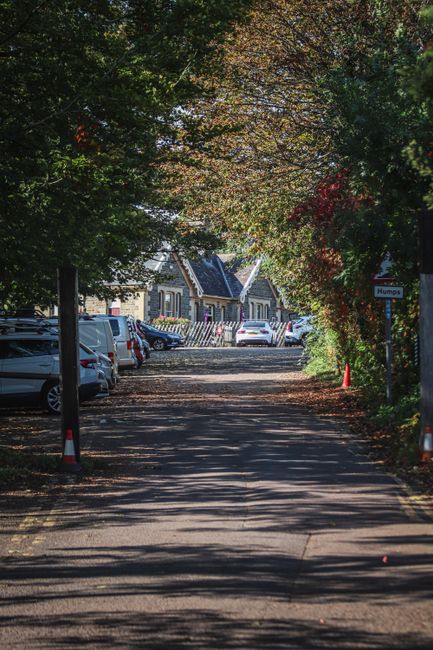
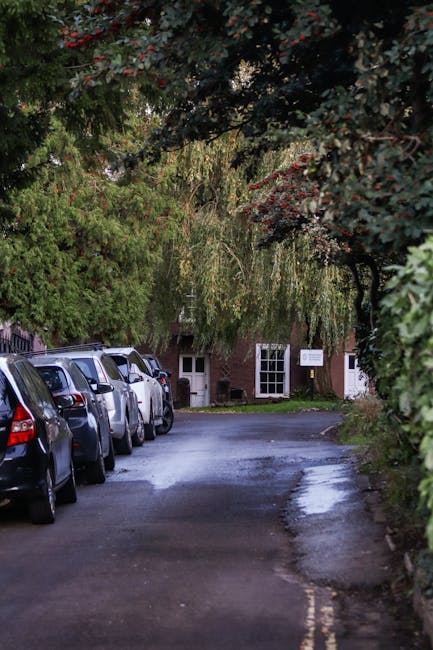
In Ickenham, that matters because many moves are not happening on wide, forgiving roads with endless space. They happen on lived-in streets, where a van has to tuck in neatly, perhaps opposite a driveway or near a junction. If you leave parking to chance, you may find yourself walking heavy boxes further than planned or asking a driver to circle for twenty minutes while a sofa sits on the pavement. Not ideal. Not at all.
For many households, the permit is less about bureaucracy and more about control. It gives you a cleaner moving window, better access for the team, and fewer awkward interruptions. And if you are coordinating a full household move, house removals in Ickenham become noticeably easier when the van can park sensibly from the start.
There is also a wider local benefit. Proper parking planning helps keep traffic moving, avoids blocking neighbours, and reduces the chance of a complaint. In busy neighbourhoods, that can matter just as much as the move itself. Nobody wants to start a new chapter by upsetting the street before the kettle has even been unpacked.
How Hillingdon Council parking permits for Ickenham moves Works
While the exact procedure can vary depending on location, bay type, and timing, the core idea is straightforward: you request permission in advance to occupy a specific parking space or loading area for your move. In practice, this usually means identifying the street, the date, the vehicle, and the hours you need access for.
Some moves need only short-term access for loading and unloading. Others require more careful planning because the van will be on site for several hours, especially if you are moving from a flat, handling bulky furniture, or coordinating multiple trips. If you are working with a team offering man and van support in Ickenham, the vehicle size and timing should be discussed early so the parking plan matches the job.
It is also worth remembering that parking restrictions are not only about where the van can stop. They are about whether it can stop legally, safely, and without causing a bottleneck. A bay that looks convenient may still need specific authorisation. Likewise, a simple stretch of kerb may be fine for quick loading in one setting but not in another. That is why a local check matters before moving day, not after the van has already arrived.
A good moving plan normally combines permit planning with route planning, van size selection, and the sort of practical prep that makes loading efficient. For example, reading about transit van sizes explained for Ickenham moves can help you choose a vehicle that fits the street as well as the furniture.
Key Benefits and Practical Advantages
The strongest reason to arrange parking properly is simple: it saves time. But the benefits go further than that. A well-managed permit arrangement can reduce stress, protect belongings, and make the move feel more organised from the first box to the last plant pot.
- Shorter carrying distance: less walking means less fatigue and lower risk of knocks and drops.
- Faster loading: the team can work in a smoother rhythm when the van is positioned close to the door.
- Better safety: fewer lifts across a road or from awkward distances reduces strain and trip hazards.
- Less disruption: neighbours and road users are less likely to be inconvenienced if parking is planned correctly.
- Fewer delays: there is less time lost searching for a space or moving the van mid-job.
Another underrated benefit is calm. Once parking is sorted, everything else tends to feel more manageable. You can focus on wrapping the mirror, checking room labels, or making sure the meter reading has been noted down rather than wondering where the van will fit in ten minutes' time.
If you are trying to keep the day gentle and well paced, articles like this guide to a calm move can be surprisingly useful alongside parking preparation. Moving is physical work, yes, but it is also logistics. Small decisions stack up.
Who This Is For and When It Makes Sense
Parking permits are not just for large family house moves. They can be relevant in a wide range of situations across Ickenham.
- Homeowners moving house: especially if the street is busy or the property is on a narrow road.
- Flat moves: where the van needs to stay close while lifts, stairs, or building access slow the flow.
- Students: when a compact move still involves a van needing brief, legal access near the property.
- Office or business relocations: where timing matters and vehicle access must be tightly controlled.
- Anyone moving bulky items: such as wardrobes, sofas, beds, or a piano.
It also makes sense for moves near busier routes, tighter cul-de-sacs, or locations where stopping is usually difficult. If you are relocating near a station or a more congested stretch, the parking picture changes quickly. A short move can still become a long day if the van has to park three roads away.
For more complicated furniture moves, the parking question and the lifting question often arrive together. That is why some people also look at furniture removals in Ickenham when they need help moving larger pieces in a controlled way.
Step-by-Step Guidance
Below is a practical sequence you can follow when preparing for a move that may need council parking permission. Keep it simple. Simple usually wins.
- Check the street conditions early. Look at bay restrictions, yellow lines, nearby driveways, and any signs that might affect parking.
- Identify your moving window. Decide roughly when the van must arrive, how long loading may take, and whether you need the space all day or just for a short period.
- Confirm the vehicle type. A small van, Luton, or larger removal vehicle can each have different space needs.
- Match the permit to the job. Make sure the requested arrangement suits the bay, road layout, and expected duration.
- Build in a buffer. Traffic, weather, and last-minute packing always take longer than you think.
- Prepare the property. Clear hallways, label furniture, and keep essentials separate so the loading run is efficient.
- Keep proof and confirmation handy. On moving morning, have the relevant details easy to find. You do not want to be rummaging through a half-packed bag for paperwork while the driver is waiting outside.
There is one small but important habit that helps a lot: speak to the removal team as early as possible. If the van arrives before the permit issue is sorted, the whole day may need reshuffling. A quick conversation can prevent that.
And if your move involves a lot of boxes, efficient packing strategies will help you make the most of the access you have secured.
Expert Tips for Better Results
The best permit plan is not just about paperwork. It is about practical moving-day thinking. Here are a few things that tend to make a real difference.
- Book earlier than you think you need to. Parking arrangements can be more forgiving when handled ahead of time.
- Think in terms of loading flow. Ask yourself where the first boxes will come from, where larger items will sit, and how the van doors will open.
- Keep the route clear. A legally parked van is still a problem if the path from front door to vehicle is blocked by garden waste, bikes, or random clutter.
- Use labels and room groupings. The less time spent hunting for items, the more valuable the parking space becomes.
- Choose the right help for heavy items. Good lifting technique matters. So does knowing when not to lift something at all.
On that last point, many moves go smoother when people stop trying to be heroic with the wardrobe. We have all seen it: someone gives the "I can get the other end" nod and then immediately regrets it. If heavy furniture is part of the job, a little planning and the right support go a long way. You may find advice on lifting heavy items safely useful, even if you are not planning to do the lifting alone.
For awkward or specialist items, there is no prize for improvising. A piano, for example, is the kind of object that asks for patience, equipment, and experience. Piano removals in Ickenham deserve their own careful plan, not a hopeful scramble on the day.
Common Mistakes to Avoid
A lot of parking problems during moves are avoidable. They happen because people assume the street will be fine, or they leave the parking conversation until the evening before. That can work sometimes. Often it does not.
- Leaving it too late: the most common mistake is simple delay.
- Assuming a space will be free: residential streets change through the day, and neighbours do need to park too.
- Forgetting the van size: a space that fits a car may not suit a removal van with tail lift access.
- Ignoring loading time: the van may need the space for longer than expected, not just long enough to open the doors.
- Not checking access around flats or corners: turning room, door clearance, and pavement width all matter.
Another mistake? Packing so vaguely that the team loses time. It sounds minor, but it adds up. If a box contains both kettle leads and winter jumpers, nobody wins. Better labelling helps the parking plan because it speeds the whole loading process.
If you are clearing out before the move, decluttering tips for a smoother move can help reduce the amount you need to load in the first place. Fewer items, less time, less parking pressure.
Tools, Resources and Recommendations
You do not need a huge toolkit to handle a move well, but a few practical items make parking and loading much easier.
- Room labels and marker pens: small thing, big difference.
- Furniture covers and blankets: useful for keeping items protected during the quicker loading runs.
- Gloves and strong tape: basic, but both are frequently forgotten.
- A phone with full charge: obvious, perhaps, yet essential when timing and coordination matter.
- Clear instructions for the driver or movers: where to park, which entrance to use, and what needs moving first.
It also helps to think about the move as a whole, not just the van space. If you are storing items before or after moving day, planning goes a lot more smoothly. For example, storage in Ickenham can be a useful bridge if completion dates are not neatly aligned.
Some households also benefit from looking at specialist support pages for timing, removals style, and vehicle choice. For people with a simple, local move, man with a van in Ickenham may be enough. For a larger or more structured move, the broader removal services overview gives a better picture of how different jobs are typically handled.
Law, Compliance, Standards, or Best Practice
Parking permits sit in the world of local rules, street signage, and practical compliance. The exact requirements can vary depending on the road, the type of bay, and the local restrictions in force at the time. Because of that, the safest approach is to treat parking permission as something to verify rather than assume.
From a best-practice point of view, a move should avoid blocking access, obstructing neighbours, or placing movers and pedestrians at unnecessary risk. That means looking carefully at where doors open, how far items need to travel, whether there is a dropped kerb nearby, and how the vehicle will leave the street after loading.
There are also basic safety expectations. Heavy furniture should be handled with suitable lifting technique, adequate staffing, and sensible equipment. If a sofa needs to be carried down stairs or across a narrow landing, rushing is the wrong answer. It usually is.
Good practice also means planning in line with the property type. Moves from flats, office buildings, or streets near busy junctions may need extra caution. If you want to understand the practical side of handling awkward moves safely, insurance and safety guidance is a sensible companion read.
Where there is any uncertainty about the parking position, vehicle access, or manoeuvring room, it is better to confirm early than to discover a restriction on the day. That is not overcautious. It is just sensible moving.
Options, Methods, or Comparison Table
There is more than one way to handle moving-day parking in Ickenham. Which method works best depends on the street, the size of the move, and how much certainty you want.
| Option | Best for | Strengths | Limitations |
|---|---|---|---|
| Pre-arranged council parking permission | Planned moves on restricted streets | More reliable access, less uncertainty, smoother loading | Needs advance coordination and accurate timing |
| Short-term kerbside loading | Very quick moves with limited items | Simple and fast if space is available | Less dependable in busy residential areas |
| Alternative nearby parking with a longer carry | Areas with limited direct access | Can work when the street is tight | Slower, more physical, greater chance of delays |
| Dedicated removal vehicle with planned access | Large or complex house moves | Best overall efficiency for bigger jobs | Requires more planning and usually more space |
In practice, the first and fourth options tend to work best for larger home moves. The second can be fine for a quick, small-scale move, but it is a bit of a gamble on a busy street. The third is often the fallback option, not the ideal one.
Case Study or Real-World Example
Here is a realistic example. A couple moving from a flat near a narrow Ickenham residential road had a fairly ordinary list of belongings: a bed, two wardrobes, boxed kitchenware, and a few heavier items that were not quite ridiculous, but definitely not light. At first, they planned to "just see what space was available" on the morning. A classic move. Slightly risky, though.
The problem was access. The road filled quickly in the morning, and a van stopping without a plan would have caused a slow chain reaction: awkward unloading, extra carrying distance, and a very tired couple by lunchtime. Instead, the move was organised so that the parking position, loading order, and furniture protection were all discussed beforehand. The result was not dramatic. It was simply smoother. The van arrived, the path was clear, and the heavier pieces went first. No drama, no mid-load reshuffle, no one standing around scratching their head.
That is the real value of parking planning. It does not make the move glamorous. It just removes friction. And in moving, friction is the enemy.
For jobs involving beds and mattresses, it also helps to think about the carrying path. A useful primer on that side of the job is how to transport a bed and mattress properly, which pairs neatly with access planning.
Practical Checklist
Use this checklist in the days before your move. It is short on purpose. Nobody wants a novel the night before moving day.
- Confirm whether parking permission or a temporary arrangement is needed.
- Check road markings, signs, and any access constraints outside the property.
- Measure the likely van size against the available stopping space.
- Choose a loading time that allows a realistic buffer.
- Tell the moving team about stairs, lifts, narrow hallways, or tight turns.
- Pack and label boxes so the heaviest ones are easy to identify.
- Keep essentials, documents, and keys separate from the moving pile.
- Protect furniture, mirrors, and soft furnishings before the van arrives.
- Make sure the front path and entrance are clear.
- Have a backup plan in case the first parking choice is unavailable.
If you are trying to reduce what needs to be moved in the first place, bulky item disposal guidance for sofas and wardrobes can be very handy before the move. Less clutter means less pressure on parking, time, and lifting.
Get a free quote today and see how much you can save.
Conclusion
Hillingdon Council parking permits for Ickenham moves are not the most exciting part of relocating, but they are one of the most useful. They help create the space, timing, and predictability that moving day depends on. When parking is planned well, everything else becomes easier: the lifting, the loading, the route through the house, even the mood in the room.
That is the quiet truth of a good move. The best days do not always feel dramatic. They feel organised, steady, and manageable. If you can sort access early, choose the right van, and keep the moving path clear, you are already ahead of the game. And honestly, that is a pretty good place to be.
Take it one step at a time, keep the practical details close, and do not leave the parking question until the last minute. Your future self - standing in a less chaotic hallway, with fewer boxes and less noise - will be grateful.
Frequently Asked Questions
Do I need a parking permit for a move in Ickenham?
Not every move needs one, but if the street has restrictions, limited space, or controlled parking, it is often sensible to arrange permission in advance. The key is to check the specific road conditions rather than assume it will be fine.
How far in advance should I sort out parking for moving day?
As early as possible. The earlier you plan, the easier it is to match the parking space to the vehicle and the move schedule. Leaving it until the last moment can turn a simple job into a frustrating one.
What happens if the van cannot park outside the property?
The crew may need to park farther away and carry items a longer distance. That can slow the move, increase physical effort, and make the day feel much longer than it needs to be. A planned parking position helps avoid that.
Are parking permits useful for small moves too?
Yes, especially in restricted or busy streets. Even a small move can benefit from a clear loading point if the van needs direct access and the property is awkward to reach.
Can I use a standard parking bay for loading and unloading?
Sometimes, but only if the local restrictions allow it. Bay type, timing, and signage all matter. Do not assume a bay is automatically suitable just because it looks empty.
Should I choose a smaller van to make parking easier?
Possibly, but not always. A smaller van can be easier to position, yet it may require more trips. A slightly larger vehicle may actually be more efficient if the street can handle it. The right choice depends on the layout and the volume of belongings.
What if I am moving from a flat with stairs or no lift?
Then parking becomes even more important. If items must be carried up and down stairs, you want the van as close as possible to reduce the effort and the risk of damage. Flat moves often need stronger planning than people expect.
Do removal companies help with parking arrangements?
Many do help guide the process, especially local movers who know the area well. It is worth discussing parking early so the vehicle, timing, and access requirements all line up. A quick conversation can save a lot of trouble later.
Is it worth planning parking for bulky furniture only?
Absolutely. Heavy or awkward pieces such as sofas, wardrobes, beds, and pianos usually need the best access on the day. If you are moving bulky items, parking is not a side issue - it is part of the move itself.
How can I make loading faster once the van is parked?
Label boxes clearly, keep pathways open, group items by room, and move heavy furniture first. If you want a fuller picture of how to prepare, packing efficiently for house moves is a useful place to start.
What is the biggest mistake people make with moving-day parking?
The biggest mistake is assuming the street will simply work itself out. It rarely does. A little planning around permits, van size, and timing usually makes the day much smoother. That bit of prep saves a lot of energy.
Where can I read more about making a move calmer and less stressful?
A calmer move usually comes from good preparation, good timing, and fewer surprises. If you want a practical next step, reading about calm relocation planning can help round out the parking side with broader move preparation.