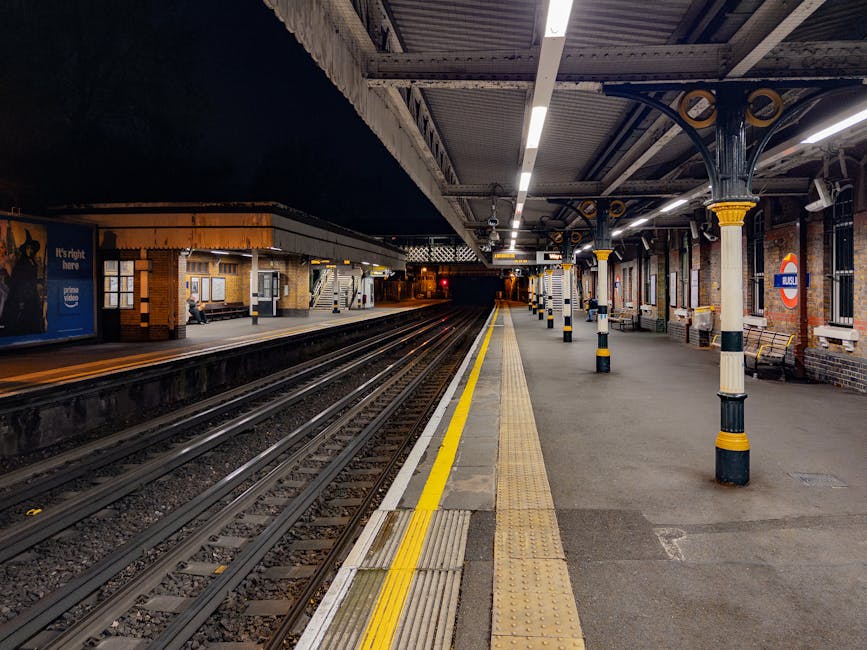
Ickenham Tube station removals: timing and routes
Posted on 18/06/2026
If you are planning a move near Ickenham Tube station, the two things that usually make the biggest difference are timing and routes. Get those right, and the day feels calmer, faster, and a lot less stressful. Get them wrong, and even a short local move can turn into a queue of small problems: awkward parking, missed access windows, heavy lifting at the wrong moment, and a van that ends up circling the area instead of loading it.
This guide breaks down Ickenham Tube station removals: timing and routes in plain English. You will learn how station access affects moving day, which roads tend to be easier to use, how to build a realistic schedule, and what to check before the van arrives. We will also cover practical packing, specialist items, and the local details that can save you time. To be fair, a good move near a station is mostly about planning a few steps ahead.
Why Ickenham Tube station removals: timing and routes Matters
Moving near a Tube station is not the same as moving on a quiet cul-de-sac. Ickenham has all the usual moving-day realities, but with an extra layer of traffic flow, pedestrian activity, narrow approaches, and local access considerations. That matters because a removal is not only about transporting items from A to B. It is about when the vehicle arrives, where it can stop, and how the team gets your belongings in and out without causing delays or damage.
Timing matters for a simple reason: roads near transport hubs can become more difficult at predictable points in the day. School runs, commuter flow, deliveries, and weekend activity can all change the feel of a route. Even if you are only moving a few streets away, the difference between 8:00 a.m. and 10:30 a.m. can be surprisingly noticeable. If you have ever tried to reverse a van into a tight space while people are streaming past with coffee cups and headphones, you will know the feeling. Not ideal.
Routes matter for another reason: the shortest route on a map is not always the safest or most efficient route for a removal vehicle. Low bridges, narrow turns, roadworks, busier junctions, and parking restrictions can all affect what is realistic. A good local move plan balances speed with practicality.
For people with furniture, fragile items, or time-sensitive handovers, that local knowledge is genuinely useful. It can prevent last-minute stress and cut the risk of damage. If you are still deciding what support you need, it may help to look at the broader removal services in Ickenham available for different property types and timelines.
How Ickenham Tube station removals: timing and routes Works
In practice, a station-area move works best when you treat the day as a sequence rather than a single event. First comes access planning. Then vehicle positioning. Then loading and transport. Then drop-off and placement. Simple enough, but each stage can be slowed down by one small detail if nobody has thought it through.
Here is the usual flow:
- Pre-move route planning - check the best approach roads for the address, including any bends, restrictions, or likely congestion points.
- Timing selection - choose a loading window that avoids the busiest local traffic periods where possible.
- Parking and stopping point assessment - decide where the van can safely pause for loading or unloading.
- Property access review - note staircases, lifts, shared entrances, doorway widths, and any controlled entry points.
- Loading order - pack and load in a way that supports fast unloading at the destination.
- Route execution - follow the route that works best for vehicle size, not just the sat nav's first suggestion.
A useful clarification: removals near Tube stations often depend more on logistics than on distance. A 15-minute drive can still become a 45-minute move if access is awkward. That is why experienced teams usually build in a buffer, especially for flats, student moves, or same-day bookings.
If you are packing now and want to avoid the classic last-night chaos, our guide to efficient moving house packing is a good place to start. It keeps the move-day sequence much tidier.
Key Benefits and Practical Advantages
The benefit of planning removal timing and routes around Ickenham Tube station is not just speed. It is control. A controlled move tends to feel less expensive, less chaotic, and less physically tiring. That is something most people appreciate once the boxes start stacking up in the hallway.
- Fewer delays - better timing reduces the chance of getting trapped behind local congestion or awkward parking conditions.
- Safer handling - less rushing usually means fewer bumps, scrapes, and strained backs.
- Cleaner handovers - landlords, buyers, tenants, and building managers all tend to prefer a move that stays on schedule.
- Better use of labour - if the team can park close and load efficiently, you get more value from the time booked.
- Less stress - and frankly, that matters more than people admit.
There is also a planning benefit for anyone moving into or out of a flat near the station. Shared access, communal corridors, and limited parking can all make small delays feel bigger than they are. A coordinated approach means each part of the move supports the next one.
If bulky furniture is part of the picture, take a look at furniture removals in Ickenham. It is especially relevant if your sofa, dining table, wardrobe, or bed frame needs careful handling through tighter access points.
Who This Is For and When It Makes Sense
This kind of planning is useful for a lot of people, not just those moving house. In our experience, the biggest wins often come from the moves that seem modest on paper but become fiddly in real life.
- House movers who need to coordinate loading times with keys, handover windows, or completion schedules.
- Flat movers dealing with stairs, lifts, shared entrances, or restricted parking.
- Students moving between halls, shared houses, or short-term rentals.
- Office teams shifting equipment before opening hours or after business close.
- People needing same-day support because plans changed quickly or a property timeline moved at short notice.
It also makes sense if you are moving specialist items that cannot be treated like ordinary boxes. Pianos, for example, need more than a strong back and a hopeful expression. If that is part of your move, our piano removals service in Ickenham explains why proper handling matters.
Truth be told, this is also for anyone who wants fewer surprises. If you have ever had a van arrive and realised the curb space was already gone, you will know how quickly a simple plan can start wobbling.
Step-by-Step Guidance
Below is a practical way to approach a move near Ickenham Tube station. It is not fancy. It just works.
1. Confirm your moving window early
Start with the key dates: access times, key collection, building entry times, and any deadlines. If you are moving out of a flat, check whether the building expects notice for lifts or service access. Those little details can make a big difference on the day.
2. Review the property access before move day
Stand outside the property and look at it as a removal team would. Where would a van stop? Can a large item turn the corner? Is there a tree, a low wall, or a tight angle that will matter when a mattress or wardrobe is carried out?
3. Choose the best route, not just the obvious one
Route planning should consider vehicle size, turning space, and typical traffic at the time of day. Sometimes a slightly longer route is better because it avoids awkward junctions or tight streets. A sat nav can be useful, but it does not always understand the realities of removals vehicles.
4. Sort your items by loading priority
Items that will be needed first at the new address should be loaded last, so they come off first. That makes unloading quicker and keeps the chaos down. It also helps if you label boxes clearly. A pen and a bit of tape can save a surprising amount of grumbling later.
5. Protect awkward or fragile items properly
Wrap fragile items, secure moving parts, and disassemble where sensible. If you are not sure how to handle heavy items safely, it is better to read up or ask for help. Our article on the basics of kinetic lifting gives a useful overview of lifting with less strain.
6. Keep the access path clear
On the day, hallways, steps, and entrance routes should be clear. Shoes, bins, loose bags, and kids' toys all have a way of appearing exactly where you need to move a cabinet. Classic.
7. Allow a buffer for the unexpected
Even the best-planned move can meet a tiny snag. A delayed key release, a neighbour parking in the wrong place, or a wet pavement can slow things down. A bit of slack in the schedule usually saves the mood as well as the clock.
Expert Tips for Better Results
Here are the things that tend to make the biggest difference, especially around a busy local station area.
- Book earlier than you think you need to if your move is near a busy travel corridor or during peak moving periods.
- Measure large items before move day, especially sofas, mattresses, wardrobes, and pianos.
- Keep one essentials box with chargers, kettle items, basic toiletries, and documents so the first night feels manageable.
- Use storage if the timings do not line up. Temporary storage can solve the gap between moving out and moving in without panic.
- Take photos of awkward access points and send them ahead of time if you are asking for a quote. It makes planning more accurate.
One small but useful tip: if your move involves furniture you are not ready to place immediately, think about protection and storage together. Our guide to storing sofas safely is helpful when the new place is not quite ready yet.
If you are moving a bed or mattress, do not underestimate how awkward it can be at door frames and stair turns. The article on transporting beds and mattresses covers the practical side well.
Common Mistakes to Avoid
Most moving problems near station areas are preventable. The annoying bit is that they are usually simple things.
- Assuming parking will be easy without checking it in advance.
- Leaving packing too late, then trying to move while still taping boxes shut. That is a rough combination.
- Ignoring access restrictions in flats, shared blocks, or managed buildings.
- Overfilling boxes, which makes them awkward to carry and more likely to split.
- Choosing a route only by distance instead of considering traffic and vehicle suitability.
- Forgetting to protect floors and door frames, especially during bad weather when everything gets a bit muddy.
A very common one is underestimating how long the first hour of the day takes. People expect to be "loaded and gone" almost immediately, then discover that the sofa is too wide for the stair landing or the van needs a different approach. A tiny delay becomes a bigger one. It happens.
If you want to reduce that risk, decluttering before the move can be a game changer. See these decluttering tips for a smoother move.
Tools, Resources and Recommendations
You do not need a mountain of equipment, but a few basics make station-area removals much smoother.
| Tool or Resource | Why it helps | Best used for |
|---|---|---|
| Strong boxes and tape | Keeps items secure and easier to stack | General packing and room-by-room sorting |
| Labels and marker pen | Saves time at unloading and unpacking | Prioritising essentials and fragile items |
| Furniture blankets and covers | Protects wood, fabric, and surfaces | Sofas, tables, wardrobes, mattresses |
| Straps and trolleys | Improves handling and reduces strain | Heavy boxes, appliances, and larger furniture |
| Temporary storage | Bridges gaps between move-out and move-in dates | Staggered completions or renovation delays |
For people who need short-term space between properties, storage in Ickenham can be a practical safety net. It is especially helpful when keys, completion times, or access slots do not align neatly.
If you are still working out whether you need a van, a man and van, or a fuller service, the services overview is a sensible place to compare options without guessing.
Law, Compliance, Standards, or Best Practice
For most domestic removals, the main "compliance" point is less about red tape and more about responsible practice. You want a move that respects road rules, local parking arrangements, building access conditions, and basic safety requirements.
Good practice usually includes:
- parking only where it is lawful and practical
- respecting any loading restrictions or access requirements
- using proper lifting techniques to reduce injury risk
- protecting property during handling and transit
- being clear about terms, timings, and responsibilities before the move starts
Insurance is another important part of sensible planning. You should always understand what cover is included and what it does or does not protect. If you want a clearer picture of this side of the process, the pages on insurance and safety and health and safety policy are worth reading before you book.
For quotes, payment clarity, and expectations, it also helps to review the business terms rather than leaving everything to guesswork. That is the boring bit, yes, but it is the boring bit that keeps things smooth. The pricing and quotes page is useful if you are comparing options.
Finally, responsible removals should consider recycling and waste reduction where possible. If you are clearing out old items, the recycling and sustainability approach can help you make better decisions about what to keep, donate, or dispose of.
Options, Methods, or Comparison Table
Different moves need different levels of support. Here is a simple comparison to help you decide what fits best.
| Option | Best for | Strengths | Trade-offs |
|---|---|---|---|
| Man and van | Small to medium moves, quick transport, flexible timing | Cost-effective, nimble in tighter areas, easy to schedule | Less suitable for larger or more complex moves |
| Full removal service | House moves, larger flats, more furniture, fuller packing needs | More support, less lifting for you, better for coordination | Usually involves a larger budget |
| Same-day removals | Urgent changes, short notice, last-minute property timelines | Fast response, good for time pressure | Requires flexibility and may have tighter availability |
| Storage-assisted move | Staggered dates, refurbishment gaps, uncertain handover timing | Reduces pressure when dates do not line up | Needs extra coordination and an additional location stop |
If your move is small and mainly about getting items from one nearby property to another, a man and van in Ickenham can be the most practical choice. If the job is more involved, house removals in Ickenham may be the better fit.
Case Study or Real-World Example
Imagine a couple moving from a first-floor flat near Ickenham Tube station to a house a short drive away. On paper, it is a straightforward local move. But the flat has a narrow staircase, limited parking directly outside, and a key handover window that starts mid-morning. Easy to see how the day could drift, right?
In a sensible plan, they would pack the non-essentials the day before, label the boxes by room, and keep a small bag of personal essentials aside. The removal team would aim for a time that avoids the busiest local traffic, and the route would be chosen to allow a larger vehicle to approach without awkward turns. The sofa would be measured in advance. The mattress would be wrapped. The dining table would be disassembled instead of "just about fitting" and causing a headache later.
As it turned out, the move went more smoothly than they expected because the route had been checked, loading started on time, and the first stop at the new house had clear access. Nothing dramatic. That is the point. Good removals should feel a bit uneventful.
For a related sense of calm and planning, our guide to calm, efficient relocation planning is worth a read. It ties in nicely with local route thinking.
Practical Checklist
Use this checklist in the final 48 hours before moving day. Simple, but effective.
- Confirm the moving date, arrival window, and access details
- Check where the van can legally and safely stop
- Measure large furniture and awkward items
- Label boxes by room and priority
- Pack an essentials bag for the first 24 hours
- Protect fragile items with suitable wrapping
- Clear hallways, doorways, and stairs
- Keep keys, documents, and important numbers handy
- Set aside cleaning materials for the final sweep
- Plan what goes to storage, what stays, and what is discarded
If you still need to strip out a few last things, a quick declutter session can help a lot. The move feels lighter almost immediately. Slightly magical, honestly.
Conclusion
Ickenham Tube station removals are all about smart timing and realistic routes. Once you understand how station-side access, local traffic, parking, and property layout work together, the whole move becomes easier to manage. You do not need perfection. You just need a plan that fits the area and the size of the job.
The strongest moves are usually the ones where someone has thought ahead about the practical bits: where the van will stop, what time to load, how the route avoids unnecessary delays, and how to protect the items that matter most. That kind of planning saves energy, protects furniture, and gives you a much better start in your new place.
Get a free quote today and see how much you can save.
And if you are at the stage of comparing providers, it can help to learn more about the team behind the service on the about us page, or review the practical details on man with a van in Ickenham before you decide. A bit of clarity now makes the move feel far less heavy later.