UB10 house moves: narrow roads and parking solutions
Posted on 14/05/2026
UB10 House Moves: Narrow Roads and Parking Solutions
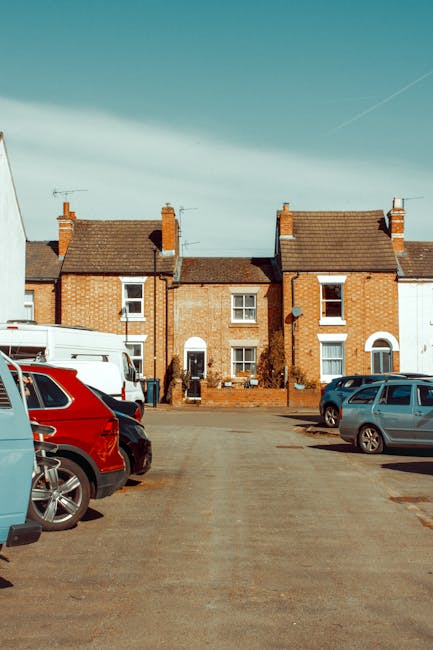
Moving in UB10 can feel straightforward on paper, then the day arrives and you realise the road is tighter than expected, the neighbour's car is exactly where the van needs to stop, and the front door is a little further from the kerb than you hoped. That's the reality of many local moves. UB10 house moves: narrow roads and parking solutions are not just a nice extra; they often decide whether a move feels calm and controlled, or rushed and awkward.
This guide breaks down how to handle access issues in a practical way. You'll see how to plan for narrow streets, manage parking on moving day, reduce delays, and choose the right moving support for your property type. If you're moving a flat, a family home, or a place with awkward access, you'll find real-world steps here that save time and a few headaches too.
And yes, sometimes the difference between a smooth move and a stressful one is just five metres of road space. Funny, really. But that tiny detail matters.
Why UB10 house moves: narrow roads and parking solutions Matters
UB10 includes a mix of residential streets, older housing layouts, terraced roads, flats, and properties that were never designed around modern removals vans. That matters because a van that cannot park sensibly near the property slows down the whole job. Every extra metre between front door and vehicle adds lifting, walking, and time. On a narrow road, it can also create awkward moments with passing traffic, neighbours trying to leave, or a van blocking a bend.
The issue is not only inconvenience. Parking and access affect:
- how long loading takes
- how many trips the team must make
- how safely furniture can be carried
- whether large items need to be dismantled
- the risk of damage to items, walls, or vehicles
- the chances of upsetting neighbours or causing avoidable obstruction
For local moves, access planning is just as important as packing. Truth be told, many moving problems start before the first box leaves the house. A good plan helps you avoid the classic scenario where everyone stands around looking at the van, the kerb, and the front gate, wondering where on earth it can fit.
If you're also refining the wider move, it can help to look at efficient packing strategies for moving house and decluttering tips that reduce load. Less clutter usually means fewer journeys, and that is a blessing when parking is limited.
How UB10 house moves: narrow roads and parking solutions Works
The idea is simple: you match the move to the street, not the other way round. That means understanding the property access, deciding where the removal van can stop, and preparing the load-out so that nothing is left to chance.
A well-run access plan usually starts before moving day. Someone checks the street width, whether there are parked cars along the route, where turning space exists, and whether the van should be positioned nose-in, reverse-in, or further away with a clear carrying path. For some addresses, the best answer is not a bigger van, but a smarter loading method and better timing.
In practice, these moves often use one or more of the following approaches:
- Short-stay kerbside loading near the property, if space allows.
- Timed arrival when traffic and neighbour parking are calmer.
- Smaller shuttle vehicle use for especially tight roads.
- Manual carry routes planned in advance, with obstacles removed.
- Temporary loading arrangements agreed politely with neighbours or building management.
The process works best when the van crew knows what they are dealing with. A piano, a bed frame, or a heavy wardrobe changes the whole access plan. If you're moving larger pieces, the right support matters. Our furniture removals service in Ickenham is designed for bulky items that need careful handling, and for items like a piano, specialist support is far safer than improvising. There's a good reason people avoid DIY piano moves. It rarely ends well.
For residents in apartments or upper-floor homes, the same logic applies to stairwells, lifts, shared entrances, and tight landing space. A move can be perfectly manageable, but only if the access route is mapped properly.
Key Benefits and Practical Advantages
Good parking and access planning does more than keep the van out of trouble. It makes the whole move feel less chaotic. And that, on a moving day at 8:15 in the morning, is worth a lot.
Smoother loading and faster turnaround
When the vehicle is parked sensibly, the removal team spends less time carrying items from the house to the van. That can shave real time off the day, especially if you have multiple large items or several floors to cover.
Lower risk of damage
A cramped carry route creates more chances for knocked walls, scuffed furniture, and strained backs. A good parking setup gives the team room to turn, lift, and set items down safely.
Less stress for you
You do not want to spend moving day solving street-level puzzles. With the parking question answered early, you can focus on the real job: getting the property cleared and the next place set up.
Better neighbour relations
Let's face it, nobody enjoys a moving van blocking their driveway at the exact moment they're trying to get to work. Clear planning helps you stay courteous, avoid unnecessary friction, and keep the day civil.
More accurate quotes and fewer surprises
If access is discussed properly in advance, the service provider can quote more accurately and recommend the right vehicle size, team size, or loading method. That is much better than guessing and hoping for the best.
Expert summary: The best UB10 move is not always the one with the biggest van. It is the one with the best access plan, the clearest load route, and the fewest unknowns.
Who This Is For and When It Makes Sense
This kind of planning is useful for almost anyone moving in or out of UB10, but it becomes especially important in a few common situations.
- Homes on narrow residential roads where two vehicles cannot easily pass.
- Properties with limited frontage and no private driveway.
- Flats and maisonettes with shared entrances or nearby parking restrictions.
- Families with bulky furniture that needs longer carry routes.
- Students or smaller households who need a quicker, more nimble move.
- Last-minute moves where parking and timing need fast, sensible decisions.
If you are moving from a flat, it can help to review flat removals in Ickenham because access, stairs, and loading space are often the main challenges. For a house move, the broader house removals service is a better fit when there are more items, more rooms, and more chances for access issues to creep in.
There is also a strong fit for anyone who prefers a less hands-on approach. If you want help with vehicle choice, loading, and route planning, a man and van service in Ickenham can be a practical middle ground. Not too large, not too small. Just right for many local streets.
Step-by-Step Guidance
Here's a practical way to tackle narrow roads and parking challenges without overcomplicating things.
- Assess the property access early. Look at the road width, turning area, parking bays, and any awkward bends or pinch points. If you can, stand outside and imagine a van arriving at the busiest time of day. It gives you a much clearer picture than a map does.
- Measure key furniture and doorways. Large wardrobes, sofas, mattresses, and appliances need enough clearance. If they barely fit through the hall, they may need dismantling or a different carry route.
- Check parking limitations. Look for permit zones, yellow lines, residents-only bays, or shared access issues. If there is any doubt, treat it as a real constraint, not a minor detail.
- Choose the right vehicle size. In some UB10 streets, a smaller removal van makes more sense than a large one. The best vehicle is the one that can park safely and still keep the job efficient.
- Plan the loading order. Put the first items to be unloaded near the back of the van. That saves time later and reduces unnecessary reshuffling.
- Clear the route inside the property. Move coats, plant pots, rugs, bins, and anything else that might catch a foot or snag a box. Small thing, big difference.
- Coordinate timing with neighbours or building management. If a shared drive or narrow entrance is involved, let people know when the van will be there.
- Have a backup plan. If the road is fully occupied on arrival, identify a second stopping point or a short temporary wait strategy.
For some items, the plan should include specialised handling. Beds and mattresses, for instance, often move more cleanly when wrapped and carried on a sensible path. See how to transport a bed and mattress properly for useful handling ideas. And if you are moving a piano, don't wing it. Read why piano moving is not a DIY task before you even consider lifting the lid.
Expert Tips for Better Results
A few small adjustments can make tight-access moves go much more smoothly. These are the details people often miss, but they matter.
Time the move to the street, not just the calendar
Early morning can be better than late morning because the road may be quieter and more open. In some areas, that one decision can make parking significantly easier. Of course, this depends on local patterns, but it is worth thinking about.
Use soft items to create carrying space
On tight stairwells or narrow hallways, protect corners and door frames with blankets, wraps, or proper protection materials. If a corridor is cramped, even a light box can be awkward if it catches on a frame.
Declutter before you pack
Less volume means less loading time, fewer items to shuffle around the van, and a cleaner route on the day. A quick read through effective decluttering tips can help you cut the load before it becomes a parking problem.
Keep the essentials separate
Parking issues often cause small delays. Keep documents, phone chargers, keys, and first-night essentials in a bag you can access instantly. No digging through ten boxes for the kettle lead, please. That way lies mild chaos.
Tell the truth about access when booking
If the road is narrow, say so. If parking is tricky, say so. If you think the sofa may need to go through a rear route, say that too. Accurate information leads to better planning, and better planning is what keeps the move on track.
For a calmer overall experience, it can also help to read guide to a calm move. It covers the mindset and practical rhythm that make a day feel a bit less frantic.
Common Mistakes to Avoid
A lot of access problems are avoidable. The trouble is they usually look minor right up until they become the thing everyone is talking about.
- Assuming the van will just "find a space". That is not a plan, it is a hope.
- Forgetting resident permits or restrictions. If parking is controlled, deal with it before moving day.
- Booking the wrong vehicle size. Too large and it may not fit; too small and you make extra trips.
- Ignoring loading distance. A 10-metre carry is one thing. A 60-metre carry in drizzle is another entirely.
- Leaving bulky items assembled. Doors, legs, and fittings often make furniture harder to move through tight spaces.
- Not checking for overhead obstacles. Low branches, hanging signs, and awkward corners can all complicate parking.
- Failing to communicate with the removals team. If access is unusual, say so early and clearly.
A very common one? People pack perfectly, then forget the street itself. The street is part of the move. It deserves respect, honestly.
Tools, Resources and Recommendations
You do not need specialist equipment for every move, but a few practical tools make narrow-road moves easier and safer.
| Tool or Resource | Why It Helps | Best For |
|---|---|---|
| Furniture blankets and wraps | Protects items and narrow doorways from knocks | Sofas, tables, wardrobes |
| Trolleys and dollies | Reduces carrying effort over short, flat distances | Boxes, appliances, heavier items |
| Straps and lifting aids | Improves control when turning tight corners | Bulky furniture and awkward loads |
| Parking plan or street notes | Helps everyone understand where the van can stop | Narrow roads and shared access |
| Packing materials | Keeps items compact, secure, and easier to stack | Almost every move |
If you need packing help, see packing and boxes support in Ickenham. Good packing does more than protect items; it also makes the load more stackable, which is a real advantage when van space is tight.
For temporary overflow or a staged move, storage solutions in Ickenham can be useful. That can take pressure off the moving day itself, especially if parking or access means you cannot move everything in one clean sweep.
Law, Compliance, Standards, or Best Practice
Parking and loading around a move should always be handled with care and common sense. Local restrictions, permit rules, yellow lines, dropped kerbs, and driveway access all need to be respected. If you are unsure about a specific street, check local parking guidance in advance rather than assuming loading will be fine.
Best practice is usually straightforward:
- do not block access unless you have a lawful and practical arrangement in place
- avoid obstructing emergency routes, driveways, or crossings
- keep noise and disruption to a minimum where possible
- use safe lifting methods and suitable equipment
- make sure the removals team understands any hazards before arrival
On the safety side, it is sensible to work with a provider that treats handling, carrying, and vehicle loading seriously. Our health and safety policy and insurance and safety information explain the sort of care customers should expect from a professional move.
If you're comparing providers, it also helps to check the broader services overview and removal services in Ickenham so you can match the service to the access challenge, not just the item count.
Options, Methods, or Comparison Table
There is no single best method for every UB10 move. The right choice depends on road width, parking availability, property type, and how much you are moving.
| Method | Best For | Pros | Trade-Offs |
|---|---|---|---|
| Large removal van | Clear access, bigger house moves | Fewer trips, efficient for volume | May be difficult on narrow roads |
| Smaller van / shuttle vehicle | Tight streets, limited parking | Easier parking, better manoeuvrability | May require more than one run |
| Man and van service | Smaller-to-medium local moves | Flexible, practical, often easier in residential areas | Less capacity than larger removals |
| Full removals team | Busy households, bulky furniture, stairs | More hands, faster loading, better coordination | Needs careful access planning and space |
For some people, the choice is not really about which is cheapest on paper. It is about which option reduces risk and keeps the day moving. A slightly smaller van that can stop legally and sensibly may outperform a bigger one that ends up circling the block, which is no fun at all.
Case Study or Real-World Example
Imagine a family moving from a two-storey home on a narrow UB10 street. There is no driveway, parking is limited, and the road is busy with neighbours returning from work. The household includes a sofa, two beds, a dining table, and several packed boxes. On the surface, it looks simple enough.
But the access plan changes everything. The team checks the street beforehand, agrees a sensible parking point, and starts early before traffic builds. Two awkward items are dismantled the day before. Boxes are grouped close to the front door. Items that would have caused a blockage in the hallway are carried in a single clean line. The van stays close enough to avoid endless back-and-forth, but not so close that it risks obstruction.
The result? Less waiting, less strain, and a move that feels organised rather than frantic. Nothing magical. Just a proper plan and a bit of street awareness.
That same approach works for smaller households too. A student move, for example, may only need one compact vehicle and a short carry route. If that sounds familiar, student removals in Ickenham can be a neat fit, especially where time and parking are both limited.
Practical Checklist
Use this checklist before moving day. It is simple, but it covers the stuff that tends to trip people up.
- Confirm the exact moving date and arrival window
- Check whether the street has parking restrictions or permit rules
- Measure large furniture and important access points
- Decide whether anything should be dismantled before the move
- Reserve or plan the nearest safe parking position
- Clear the hallway, front path, and doorstep
- Wrap delicate or awkward items properly
- Keep essentials and documents in a separate bag
- Tell the removals team about any stairs, gates, or tight bends
- Have a backup plan if the nearest space is occupied
- Check whether storage is needed for overflow items
- Protect floors and walls where needed
If you want a calmer pre-move week, pairing this checklist with move-out cleaning steps can make handover day much easier. A tidy property and a clear exit route often go hand in hand. Nice and simple.
Conclusion
UB10 house moves are often about more than boxes and furniture. They are about access, parking, timing, and making sure the street works with you rather than against you. When you plan for narrow roads early, you reduce stress, protect your belongings, and keep the whole day moving in a steady rhythm.
Whether you're moving from a flat, a family home, or a property with awkward frontage, the same principle applies: plan the van location, simplify the load, and respect the space around the home. That's what turns a difficult-looking move into a manageable one.
If you are weighing up the best approach, take a look at the services and support options available, think through the access route properly, and do not be shy about asking for help where it matters. A little planning really does go a long way.
Get a free quote today and see how much you can save.
And if the road feels tight and the day feels a bit too full, remember this: a careful move is still a good move. One clear step at a time.